
cost of mirror glass
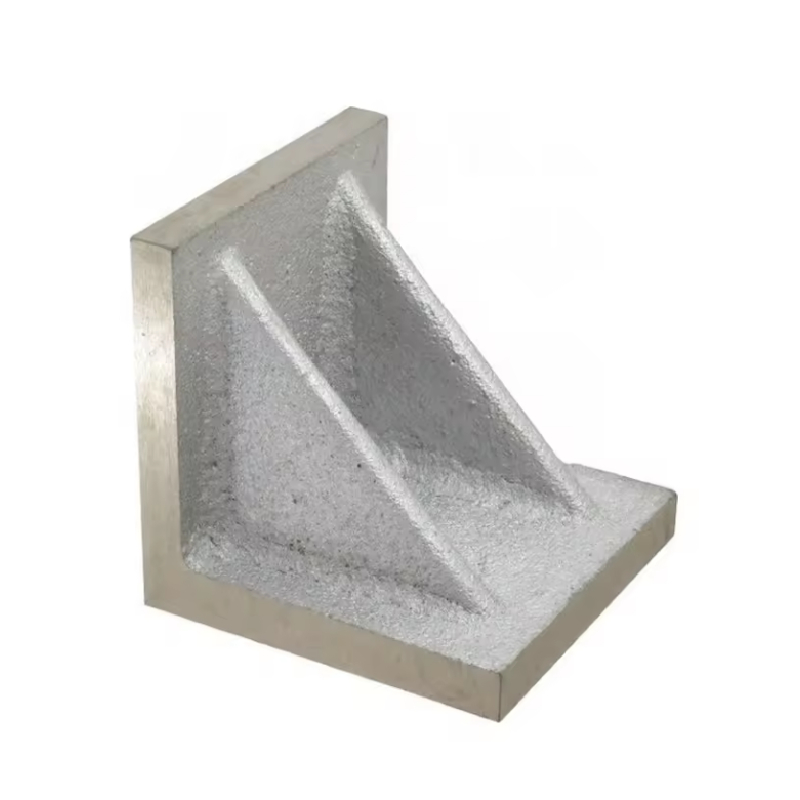
Metal Corner Connections A Crucial Aspect of Structural Integrity In the realm of construction and engineering, metal corner connections play a pivotal role in ensuring the structural integrity and stability of various structures. These connections are the points where two or more metal elements meet, and they are subjected to significant stress and strain due to external forces such as wind, earthquakes, and vibrations. Therefore, it is essential to understand the design, fabrication, and maintenance of these connections to prevent potential failures and ensure the longevity of the structure. One of the primary factors that influence the performance of metal corner connections is the type of joint used. There are several types of joints, including welded, bolted, and riveted joints, each with its own advantages and disadvantages. For instance, welded joints provide a high degree of strength and rigidity but may be more susceptible to corrosion. On the other hand, bolted joints are relatively easy to assemble and disassemble but may not offer the same level of strength as welded joints. Another critical aspect of metal corner connections is the material selection. The choice of material depends on factors such as the specific application, environmental conditions, and required strength and durability. For example, stainless steel is commonly used in marine environments due to its excellent corrosion resistance, while aluminum is preferred for its lightweight properties and high strength-to-weight ratio For example, stainless steel is commonly used in marine environments due to its excellent corrosion resistance, while aluminum is preferred for its lightweight properties and high strength-to-weight ratio For example, stainless steel is commonly used in marine environments due to its excellent corrosion resistance, while aluminum is preferred for its lightweight properties and high strength-to-weight ratio For example, stainless steel is commonly used in marine environments due to its excellent corrosion resistance, while aluminum is preferred for its lightweight properties and high strength-to-weight ratio metal corner connections . Fabrication techniques also play a crucial role in the performance of metal corner connections. Proper cleaning, preparation, and finishing of the metal surfaces are essential to ensure a strong bond between the components. Additionally, the use of advanced joining techniques such as friction stir welding or laser welding can further enhance the strength and reliability of the connection. Regular maintenance and inspection are also critical to the longevity of metal corner connections. It is important to regularly inspect the connections for signs of wear, corrosion, or damage and to take appropriate measures to address any issues promptly. This may include cleaning and coating the connections to protect them from the environment or replacing damaged components before they fail. In conclusion, metal corner connections are a vital component of structural integrity in construction and engineering projects. By considering factors such as joint type, material selection, fabrication techniques, and maintenance, engineers can design and construct stronger, more reliable structures that withstand the rigors of various environmental conditions and operational loads.
about
cost of mirror glass
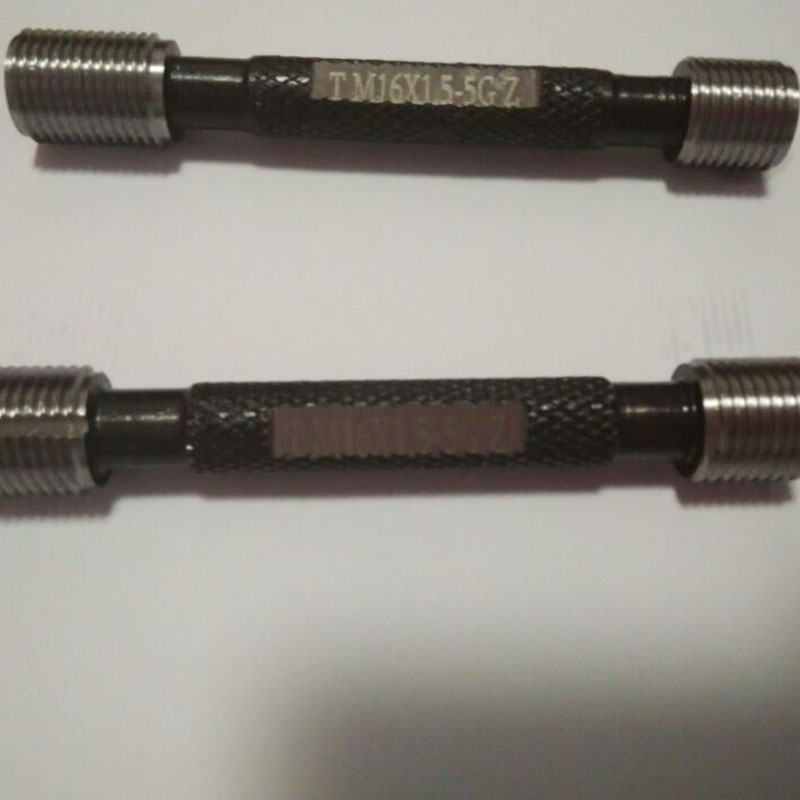
Understanding the Machinist Gauge Pin Set Essential Tools for Precision Engineering In the world of precision engineering, the machinist gauge pin set stands as a vital tool for professionals who strive for accuracy and reliability in their work. These small, cylindrical pins are designed to provide exact measurements, making them indispensable in a variety of applications, from machining to quality control in manufacturing processes. A machinist gauge pin set typically includes a range of pins with precise diameters, allowing machinists to check hole sizes, alignments, and tolerances with ease . The pins are often made from high-quality materials to ensure durability and longevity, as well as to maintain accuracy over time. Common materials include steel or carbide, which provide robustness and resistance to wear, an essential quality given the demanding environment in which these tools are often used. One of the primary uses of a gauge pin set is to measure the internal dimensions of holes. The pins can be inserted into drilled or machined holes to verify their diameter and ensure that they meet specified tolerances. This function is critical in industries such as automotive, aerospace, and manufacturing, where even minute discrepancies can lead to significant problems down the line. By using a range of pins, machinists can quickly and accurately determine whether a given hole is within acceptable limits. machinist gauge pin set Moreover, gauge pins serve another essential purpose they are used for alignment and setup. In situations where precise positioning is critical, such as in the setup of a CNC machine or the calibration of complex machinery, gauge pins can assist in achieving the correct alignment. By utilizing gauge pins, machinists can establish reference points and ensure that components are installed accurately, leading to better overall performance and reduced manufacturing errors. Another important aspect of machinist gauge pins is their role in quality assurance. The consistency and accuracy of manufactured components can be verified using these pins, helping to maintain high standards in production. By regularly checking tools and machines with gauge pins, companies can identify wear or drift in measurements early, allowing for timely adjustments before issues escalate. Furthermore, many machinist gauge pin sets feature a corresponding gauge or tolerance chart. This reference allows machinists to understand the specific tolerance levels for particular applications, further enhancing the precision of their work. With this information at their fingertips, machinists can make informed decisions about the appropriate pin to use in various scenarios, streamlining the measurement process. In summary, the machinist gauge pin set is an invaluable tool in the field of precision engineering. Its ability to measure, align, and verify makes it essential for professionals dedicated to maintaining high-quality standards in their work. As industries continue to demand greater accuracy and reliability, the role of machinist gauge pins will undoubtedly remain a cornerstone of precision machining and quality control. With the right set of gauge pins, machinists can ensure that their work meets the rigorous demands of modern manufacturing, ultimately contributing to better products and enhanced operational efficiency.
-

High quality industrial productsagement

High quality industrial products
View Details -

Meet the diverse needs of customers

Meet the diverse needs of customers
View Details -

Strict quality control

Strict quality control
View Details -

Top raw materials

Top raw materials
View Details -

Trusted supplier

Trusted supplier
View Details
Our application
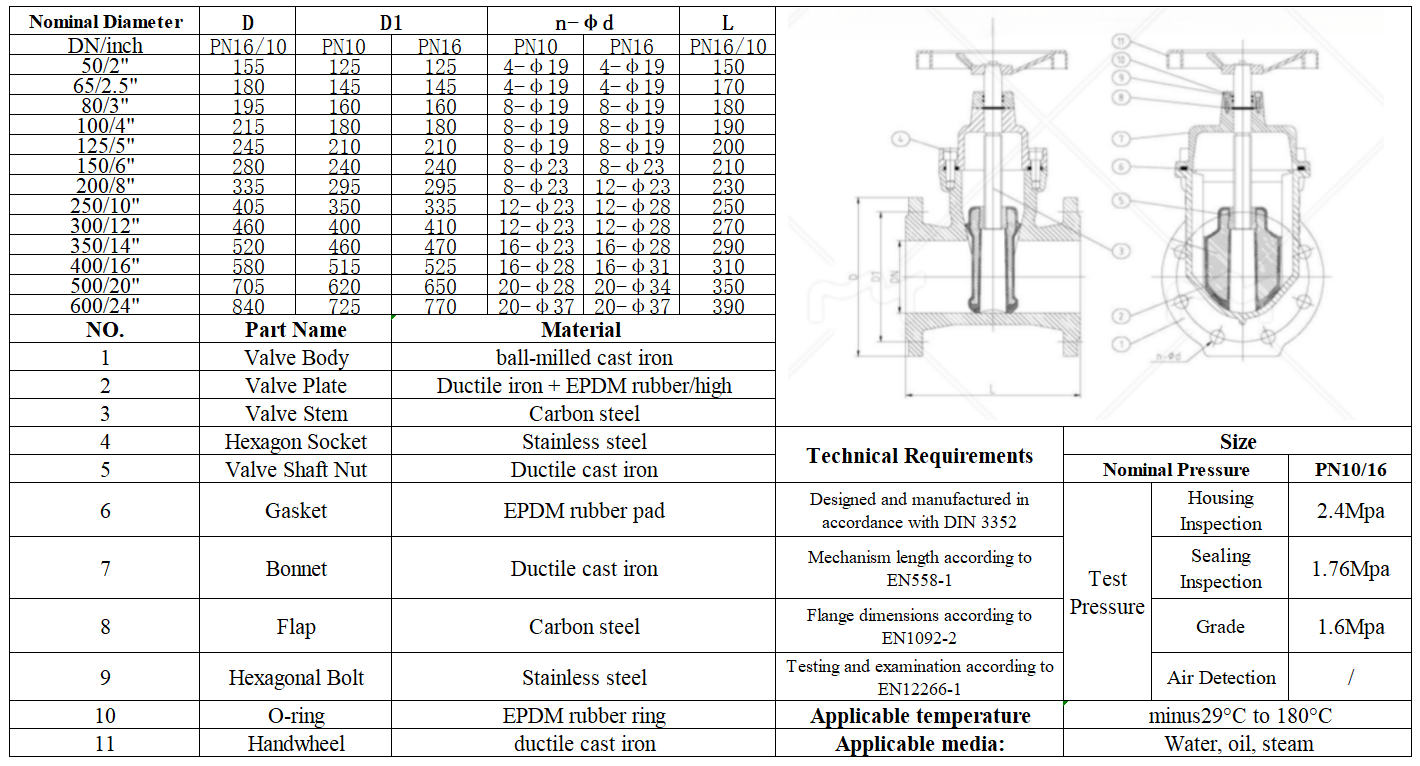
news and information
Y-Type Strainer for Efficient Filtration in Cast Iron Applications
cast iron y type strainer .
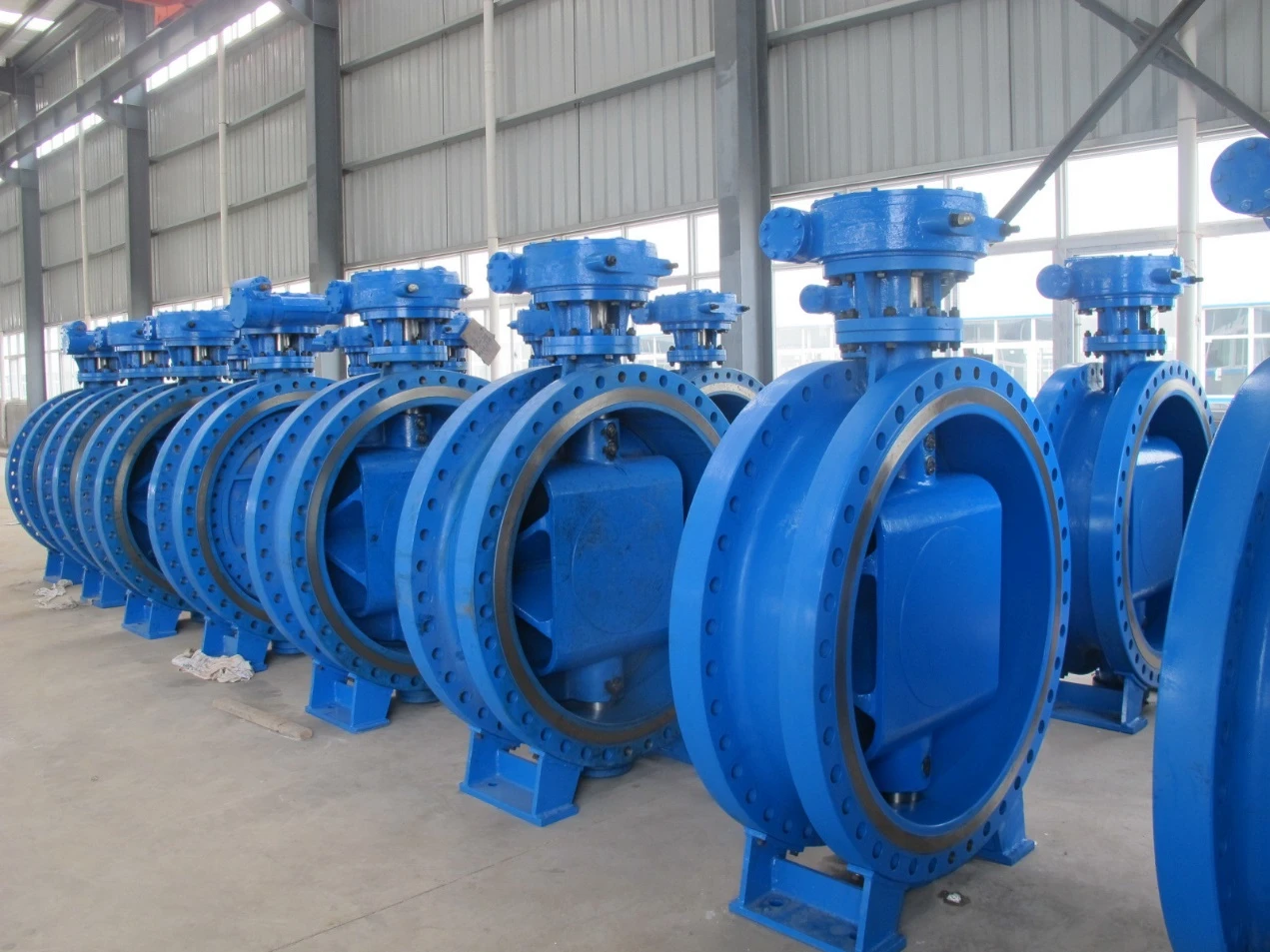
Valvola di ritegno 6an per sistemi idraulici e pneumatici di alta qualità
Il settore industriale moderno richiede soluzioni efficienti per il controllo del flusso di fluidi,
Valve Selection Guide for Industrial Applications
As a leading wholesaler in industrial equipment, Storaen (Cangzhou) International Trading Co. unders
 English